
Beyond the Policy: 10 Risk Management Strategies Every Affluent Family Should Know
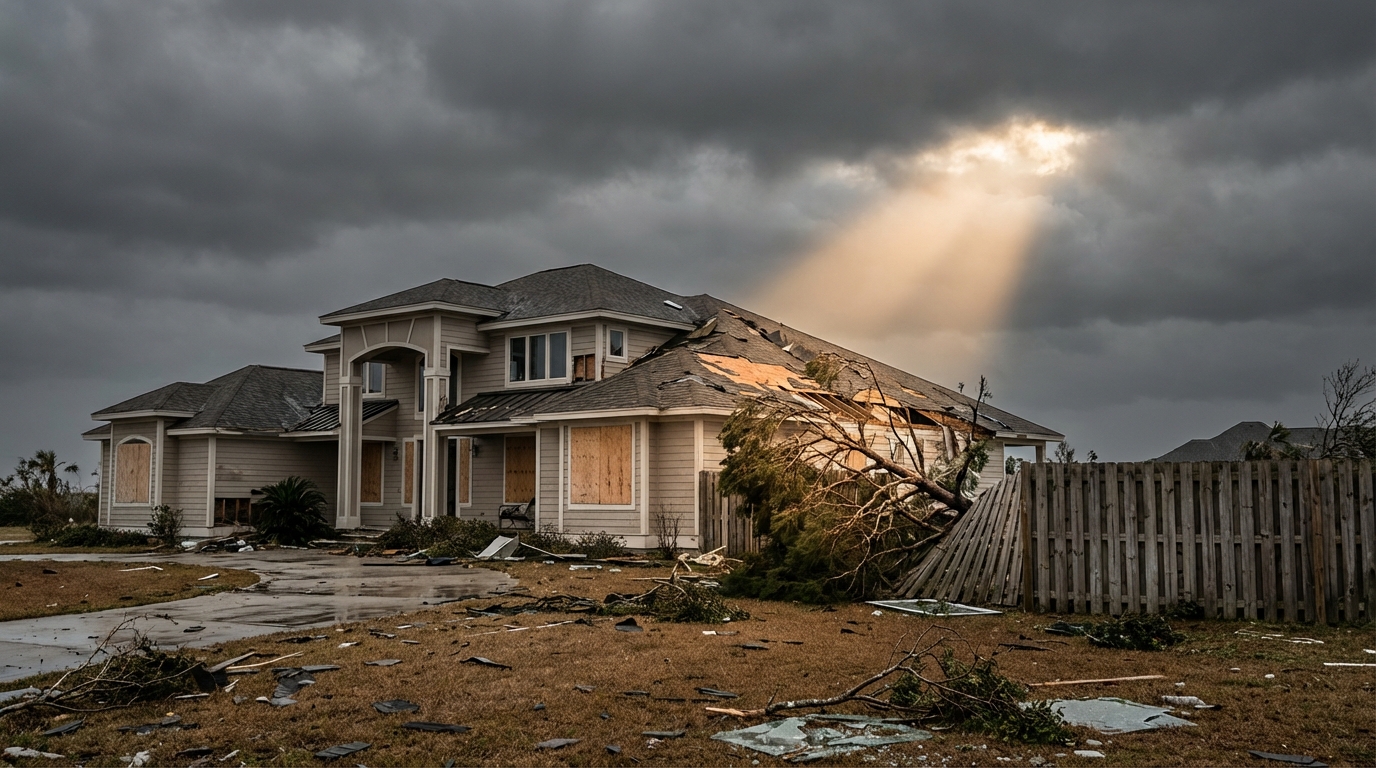
The best insurance claim is the one you never have to file. These 10 strategies — from water leak detection systems to wildfire-resistant landscaping — can reduce your risk exposure by up to 60% and often qualify you for premium discounts with private client carriers.
Insurance is your financial safety net. But the smartest affluent families don't just buy better insurance — they actively reduce the chances they'll ever need to use it.
This isn't about living cautiously. It's about making targeted investments in prevention that protect your lifestyle, your assets, and often pay for themselves through lower premiums and avoided losses. Here are 10 strategies we recommend to every high net worth family we work with — ranked by priority and with specific product recommendations where applicable.
Protecting Your Property
Install a Whole-Home Water Leak Detection System
Water damage is the number one cause of homeowners insurance claims — and in high-value homes, a single pipe burst can cause $250,000 or more in damage to hardwood floors, custom millwork, and finished basements. A smart leak detection system monitors every water line 24/7, detects anomalies in flow, and automatically shuts off your main water supply before a small leak becomes a catastrophe.
These systems use sensors placed at high-risk points (water heaters, washing machines, under sinks, near HVAC units) combined with a central controller that monitors flow patterns. If a pipe bursts at 2 AM while you're in Aspen, the system shuts off the water within seconds — not hours.
Recommended: Flo by Moen Smart Water Monitor & Shutoff ($500 + installation) monitors flow patterns and auto-shuts water. Water Hero P-100 ($650) offers commercial-grade detection for larger estates. For multi-building properties, consider the Phyn Plus ($350 per unit) at each structure.
Upgrade to a Monitored Smart Security System
Affluent homes are targeted for burglary at higher rates, and the average loss in a high-value home burglary exceeds $50,000. But modern security systems do far more than deter thieves. Today's integrated platforms combine intrusion detection, fire and smoke monitoring, carbon monoxide alerts, temperature monitoring, and video verification into a single system that communicates directly with emergency services.
The key is professional monitoring — not just a DIY camera system. Professional monitoring means a trained operator verifies the alarm, contacts emergency services, and follows your specific response plan. Video verification reduces false alarm dispatches by 95% and prioritizes your call with police.
Recommended: For estates, consider ADT Commercial or Securitas with video verification ($2,000–$8,000 installed + $50–$150/month monitoring). For homes under 5,000 sq ft, Vivint Smart Home ($1,500–$4,000 installed) integrates seamlessly with smart home platforms.
Install a Backup Generator with Automatic Transfer Switch
Connecticut averages 2–3 significant power outages per year, and coastal properties face even more during storm season. Extended power loss causes frozen pipes in winter (burst pipes = massive water damage), spoiled wine collections, failed sump pumps (basement flooding), disabled security systems, and inoperable well pumps.
A whole-home generator with an automatic transfer switch activates within 10 seconds of a power failure — no manual intervention needed. This protects everything: your HVAC, sump pumps, security system, refrigeration, and wine storage climate control.
Recommended: Generac Guardian 24kW ($6,500–$8,000 + $3,000–$5,000 installation) covers most homes up to 5,000 sq ft. For larger estates, the Generac Protector 48kW ($15,000–$20,000 installed) or Kohler 38RCLB provides full-property coverage including guest houses and pool equipment.
Reducing Liability Exposure
Formalize Your Domestic Employee Relationships
If you employ a nanny, housekeeper, personal chef, estate manager, or any household worker for 26+ hours per week, Connecticut law requires workers' compensation coverage. Ignoring this exposes you to regulatory penalties and unlimited personal liability if a worker is injured on your property.
Beyond workers' comp, formalizing employment relationships means proper payroll processing, employment contracts, job descriptions, and liability waivers for high-risk tasks. This documentation becomes your first line of defense if a dispute arises.
Recommended: GTM Payroll Services ($100–$200/month) specializes in household employer payroll and handles tax filings, W-2s, and workers' comp administration. HomeWork Solutions ($75–$150/month) is another strong option. For employment contracts, consult an employment attorney — expect $1,500–$3,000 for a comprehensive domestic employment agreement.
Install Pool Safety Features Beyond Code Requirements
Connecticut's attractive nuisance doctrine means you owe a heightened duty of care to trespassing children if your pool isn't properly secured. Meeting code minimums isn't enough for liability protection — you want to exceed them demonstrably.
This means a self-closing, self-latching fence at least 5 feet tall (code requires 4 feet), a pool alarm that alerts when the water surface is broken, a safety cover rated to support an adult's weight, and clearly posted rules. If you have a diving board or slide, consider removing them entirely — they're the source of a disproportionate number of pool injury claims.
Recommended: Pool Patrol PA-30 alarm ($200) for surface detection. Loop-Loc safety covers ($3,000–$8,000 installed) are the industry standard for mesh safety covers rated to ASTM F1346. For fencing, aluminum or wrought iron with magna-latch gates ($5,000–$15,000 depending on perimeter).
Create a Guest and Event Liability Protocol
Connecticut's social host liability means you can be held responsible if an intoxicated guest injures someone after leaving your property. For families who entertain frequently — holiday parties, fundraisers, summer gatherings — this is a recurring exposure every time you host.
A practical protocol includes: hiring licensed and insured bartenders (who carry their own liability coverage), setting drink limits or switching to wine/beer only after a certain hour, arranging car services for guests, and keeping a guest log for events over 20 people. For large events, consider event-specific liability insurance — a one-day policy costs as little as $150–$300 and provides $1M in coverage.
Recommended: The Event Helper (theeventhelper.com) offers one-day event liability policies starting at $150. For regular entertaining, discuss a social host liability endorsement with your agent — most private client carriers offer this as an add-on.
Protecting Valuables and Collections
Maintain a Current Home Inventory with Professional Appraisals
After a total loss, you'll need to prove what you owned and what it was worth. Memory is unreliable, especially under the stress of a catastrophic event. A comprehensive, documented inventory — updated annually — is the difference between a smooth claims process and a months-long negotiation.
Walk through every room with video, photograph valuables from multiple angles, and store receipts digitally. For items over $5,000, get formal appraisals. For fine art, jewelry, wine, and collectibles, professional appraisals every 2–3 years are essential, as values fluctuate significantly.
Recommended: Sortly ($49/month) or Encircle (free for basic use) for digital home inventory management with cloud backup. For appraisals: American Society of Appraisers (appraisers.org) for fine art and antiques, GIA-certified appraisers for jewelry, and WineBid or Vinfolio for wine collection valuation.
Install Climate-Controlled Storage for Sensitive Collections
Fine art, wine, rare books, and vintage instruments require stable temperature and humidity to maintain their value and integrity. A burst pipe or HVAC failure that causes humidity to spike can destroy a $500,000 wine collection in 48 hours or warp a $200,000 painting beyond restoration.
Dedicated storage areas should maintain 65–70°F temperature, 45–55% relative humidity, UV-filtered lighting, and independent climate control separate from the home's main HVAC system. Add environmental sensors that alert you to any drift outside safe parameters.
Recommended: For wine: WhisperKOOL or CellarPro cooling units ($1,500–$5,000) with SensorPush wireless temperature/humidity monitors ($50 each). For art: Museum-grade UV filtering film ($15–$25/sq ft installed) plus a standalone dehumidifier like the Santa Fe Advance2 ($1,400) for dedicated gallery spaces.
Preparing for the Unexpected
Create a Wildfire and Storm Defensible Space
Connecticut isn't California, but coastal storms, nor'easters, and increasingly dry summers create real wildfire and wind damage risk — particularly for wooded properties. Insurance carriers evaluate your property's exposure to these hazards, and proactive mitigation can lower premiums while meaningfully reducing your risk of a catastrophic loss.
Defensible space means clearing dead vegetation, trimming tree branches that overhang your roof or are within 10 feet of the structure, using fire-resistant mulch (gravel or stone within 5 feet of the foundation), cleaning gutters quarterly, and ensuring your roof is rated Class A fire-resistant. For storm preparation, impact-rated windows or hurricane shutters protect against wind-driven debris.
Recommended: Annual defensible space maintenance with a certified arborist ($500–$2,000/year). GAF Timberline HDZ shingles (Class A fire-rated, $10,000–$20,000 for re-roofing). For coastal properties: Haas or Roll-A-Shield hurricane shutters ($25–$55 per sq ft installed).
Build a Family Emergency Response Plan
Wealthy families often have complex household situations — multiple properties, staff members, valuable collections, important documents spread across locations, and family members who travel frequently. A generic "grab-and-go" emergency plan won't cut it.
Your plan should include: a prioritized list of items to secure or evacuate (original documents, irreplaceable art, jewelry, hard drives), designated rally points for family and staff, contact trees (insurance agent, attorney, financial advisor, estate manager), digital copies of all insurance policies and appraisals stored in a secure cloud vault, and pre-arranged relationships with restoration companies like ServiceMaster or Belfor so you're not scrambling to find help during a crisis.
Recommended: Store critical documents in a fireproof safe (Liberty Safe Presidential series, $2,000–$5,000) and mirror everything to a secure cloud vault (1Password Families at $5/month for document storage, or a dedicated safety deposit box at your bank). Conduct a family tabletop emergency drill annually — 90 minutes that could save irreplaceable assets.
Key Takeaways
- Water leak detection is the single highest-ROI risk management investment — preventing the #1 cause of homeowners claims for under $1,000
- Formalizing domestic employee relationships eliminates one of the most common and most expensive liability gaps in affluent households
- Pool safety features beyond code minimums significantly reduce your premises liability exposure under Connecticut's attractive nuisance doctrine
- Many of these investments — security systems, generators, leak detection, defensible space — qualify for insurance premium discounts of 5–20%
- A comprehensive home inventory with professional appraisals is essential for smooth claims resolution — build it before you need it
Frequently Asked Questions
Will my insurance company really give me a discount for these upgrades?
Yes — most private client carriers offer specific premium credits for water leak detection, monitored security, backup generators, and fire-resistant roofing. The exact discount varies by carrier and your overall risk profile, but credits of 5–20% on applicable coverage sections are common. Ask your agent to itemize available credits before you invest, so you can prioritize the upgrades that deliver the best combined risk reduction and premium savings.
How often should I update my home inventory and appraisals?
Update your general home inventory annually — ideally in January as a New Year's routine. For high-value items (fine art, jewelry, wine, collectibles), get formal appraisals every 2–3 years or whenever you make a significant acquisition. Market values for art and collectibles can shift dramatically, and an outdated appraisal means you're either overpaying for coverage or underinsured.
Is a whole-home generator worth the investment if I'm only in Connecticut part-time?
Especially if you're part-time. The greatest risk from power outages is when no one is home to respond — frozen pipes burst, sump pumps fail, and security systems go offline without anyone knowing. A generator with automatic transfer switch protects your property whether you're there or not. For seasonal homes, it's arguably more important than for a full-time residence.
Do I need workers' comp for a part-time housekeeper?
Connecticut requires workers' compensation coverage for household employees working 26 or more hours per week. If your housekeeper works fewer than 26 hours, workers' comp isn't legally required — but you're still liable for injuries that occur on your property. Many advisors recommend carrying a domestic employee endorsement on your homeowners policy regardless of hours worked, as the cost is minimal ($200–$500/year) compared to the potential exposure.
What's the most overlooked risk for affluent Connecticut homeowners?
Water damage — by a significant margin. It accounts for more high-value claims than fire, theft, and wind combined. Specifically, slow leaks behind walls, failed supply lines to appliances, and frozen pipes during winter power outages. The damage often isn't discovered for days or weeks, compounding repair costs exponentially. A $500 leak detection system is the single most impactful risk mitigation investment most affluent homeowners can make.