
Ground Up Construction Surety Bonds: A Guide for Connecticut Contractors
Ground Up Construction Surety Bonds: A Guide for Connecticut Contractors
Quick Answer: Ground up construction surety bonds in Connecticut typically cost 1% to 3% of the total contract value. They are three-party agreements that guarantee a contractor will complete the project and pay subcontractors. For public projects, Connecticut's Little Miller Act requires Performance Bonds on contracts over $25,000 and Payment Bonds on contracts over $100,000.
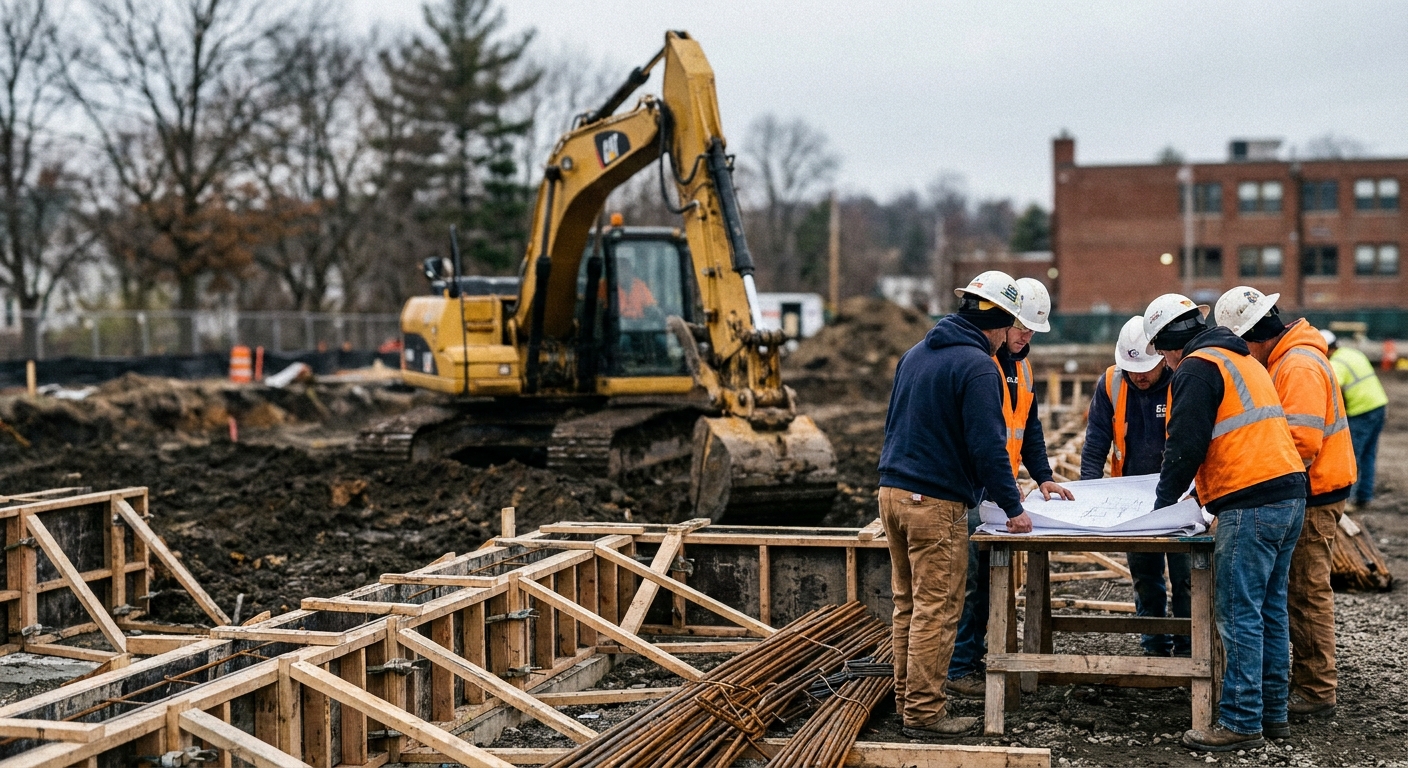
If you are a contractor in Connecticut, you know that the transition from site clearing to a finished structure involves more than just heavy machinery and skilled labor. It involves a significant amount of financial risk and legal obligation. For many new builds, the primary tool used to manage this risk is the surety bond.
When we talk about "ground up" construction, we are referring to projects that start from a vacant piece of land. These aren't renovations or "flip" projects; they are brand-new structures. Because these projects involve higher stakes and longer timelines, the requirements for ground up construction surety bonds in Connecticut are often more stringent than for smaller maintenance jobs.
At Insure Connecticut LLC, we frequently hear from contractors who are confused about whether they need a bond, what it will cost, and how it differs from general liability insurance. This guide is designed to answer those questions with radical transparency, focusing on what you actually need to know to get your project off the ground. For broader context on where the CT commercial market is heading, see our deep dive on Navigating Connecticut's Commercial Insurance Landscape.
What Are Ground Up Construction Surety Bonds?
A surety bond is not traditional insurance. While insurance is a two-party agreement (you and the insurance company), a surety bond is a three-party agreement between:
- The Principal: You, the contractor, who is required to perform the work.
- The Obligee: The project owner (either a private developer or a government entity like the State of Connecticut) who requires the bond.
- The Surety: The bonding company that guarantees you will fulfill your obligations.
In ground-up construction, these bonds ensure that if a contractor fails to finish a project or pay their subcontractors, the project owner isn't left holding the bag. You can find more technical definitions of how this works on Wikipedia's Surety Bond page. For a complementary CT-focused read on how surety bonds and general liability work together in a regulated industry, see our guide on navigating surety bonds and general liability in Connecticut.
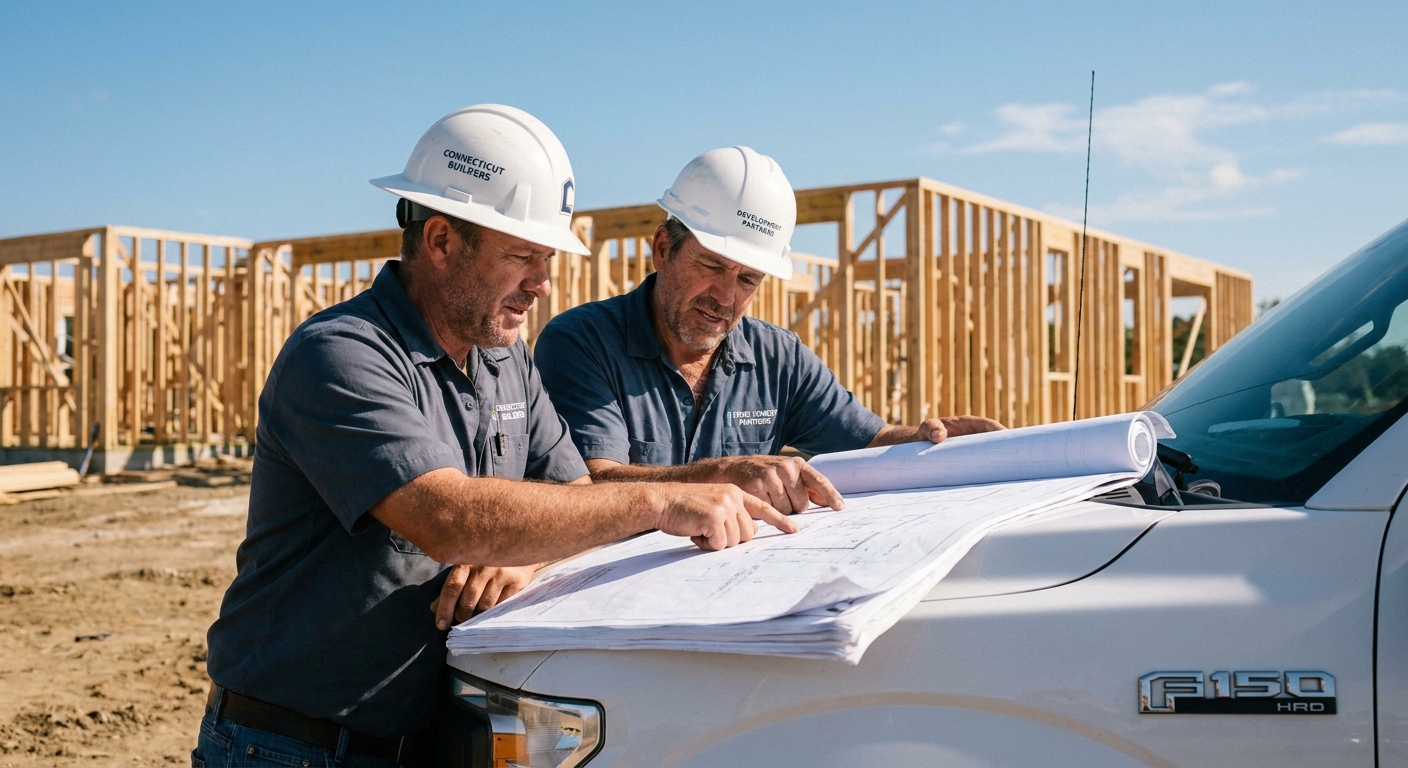
How Much Do Construction Surety Bonds Cost in Connecticut?
The most common question we receive is: "How much is this going to cost me?"
For most construction surety bonds for small business owners in CT, the cost (the premium) typically ranges from 1% to 3% of the total contract value. However, this is not a flat fee. Several factors determine your specific rate:
1. The Size of the Project
A $500,000 warehouse build will naturally have a different bonding cost than a $10 million municipal project. For larger projects, the rate might actually decrease as a percentage (sliding scale), but the total dollar amount will be higher.
2. Your Personal and Business Credit
The surety company is essentially "loaning" you their credit. If you have a high credit score, you are seen as lower risk, and your premium will reflect that. If your credit is below 650, you might still get bonded, but you should expect to pay closer to 3% or even 5% in some high-risk cases.
3. Experience and Financials
The surety will look at your "Work in Progress" (WIP) reports and your financial statements. They want to see that you have successfully completed ground-up projects of a similar scale before. If you are a residential builder trying to move into heavy commercial ground-up construction for the first time, the surety may charge more or require additional collateral.
4. Bond Type
- Bid Bonds: Often a flat fee (e.g., $100–$250) or even free if you have an established relationship with a broker.
- Performance and Payment Bonds: These are the primary cost drivers, usually calculated based on the contract total.
Performance vs. Payment Bonds: What's the Difference?
When you are looking for performance and payment bonds for ground up projects in CT, it is important to understand that these often come as a package, but they serve two very different purposes.
Performance Bonds
A performance bond guarantees that the project will be completed according to the contract specifications. If a contractor goes bankrupt halfway through a build, the surety is responsible for finding a new contractor to finish the job or compensating the owner for the loss.
Payment Bonds
A payment bond ensures that the contractor pays all subcontractors, laborers, and material suppliers. This is crucial for ground-up construction because it prevents "mechanic's liens" from being placed on the new property. If you've ever browsed r/construction on Reddit, you'll see countless stories of subcontractors getting stiffed — payment bonds are the legal remedy for this. For general contractors managing multiple trades, this ties directly into broader subcontractor risk-transfer strategy.
| Feature | Performance Bond | Payment Bond |
|---|---|---|
| Purpose | Guarantees work is completed | Guarantees subs/suppliers are paid |
| Protects | The Project Owner (Obligee) | Subcontractors and Suppliers |
| CT Requirement | Required for public projects > $25k | Required for public projects > $100k |
Why Do CT Contractors Get Denied for Surety Bonds?
Transparency is key here: not everyone who applies for a bond gets one. Here are the most common "pain points" that lead to a denial:
- Inadequate Liquidity: If your business doesn't have enough cash on hand to handle the "float" of a large ground-up project, the surety will see you as a default risk.
- Lack of Specific Experience: If you've only done kitchen remodels and you apply for a bond to build a 20-unit apartment complex from the ground up, you will likely be denied.
- Character Issues: Previous legal disputes or a history of not paying suppliers will show up in the underwriting process.
- Overextension: If you already have four active projects and you're bidding on a fifth, the surety may decide you don't have the "capacity" (manpower or capital) to handle another one.
If you are facing these issues, sometimes combining a bond with other protections like builders risk insurance or ensuring your general liability coverage is robust can help build your "credibility profile" with underwriters. If you want to see exactly how those two policies compare for contractors, we break it down in builders risk vs. general liability for contractors.

How to Get a Surety Bond for New Construction in CT: A Step-by-Step Guide
Navigating surety bond requirements for Connecticut contractors doesn't have to be a headache if you follow a clear process.
Step 1: Determine the Bond Type Needed
Read the project contract. Does it require a Bid Bond to submit your proposal? Does it require 100% Performance and Payment bonds? In Connecticut, the "Little Miller Act" dictates requirements for public projects, which we will discuss below.
Step 2: Organize Your Financials
For ground-up projects, you will need:
- Three years of year-end financial statements.
- A current "Work in Progress" (WIP) report.
- Personal financial statements of the owners.
- A professional resume highlighting similar ground-up builds.
Step 3: Work with a Specialist Broker
Avoid "generalist" agencies that don't understand the nuances of the Connecticut construction market. At Insure Connecticut LLC, we specialize in helping local contractors present their best case to the surety. If you're curious about why broker specialization matters for CT contractors, we break it down in our guide on why West Hartford businesses choose an independent broker. You can also request a quote to start this process.
Step 4: Underwriting Review
The surety will evaluate your "Three Cs": Character, Capacity, and Capital. This process can take anywhere from 48 hours to two weeks depending on the complexity of the project.
Step 5: Bond Execution
Once approved, you pay the premium, and the bond is issued. You must sign the bond (as the Principal) and deliver it to the project owner (the Obligee).
Connecticut-Specific Requirements: The Little Miller Act
If you are bidding on public work in Hartford, West Hartford, or anywhere in the state, you must comply with the Connecticut Little Miller Act (C.G.S. § 49-41).
The law states:
- Performance Bonds are required for any public building or public work contract exceeding $25,000 (for general bids) and $50,000 (for sub-contracts).
- Payment Bonds are required for contracts exceeding $100,000 for any state or municipal work.
For private ground-up construction, there is no state law requiring bonds, but most lenders (banks) will not finance a multi-million dollar build unless the contractor is bonded. This is why understanding how to get a surety bond for new construction in CT is vital even for private-sector contractors.
Common Pitfalls for Small Business Owners in CT
Small business owners often make the mistake of thinking their commercial auto insurance or workers' compensation policy covers the same ground as a surety bond. It does not. Workers' comp in particular has its own rules and pricing levers — see our full guide on everything you need to know about workers' compensation and this breakdown of reducing workers' comp costs in CT.
A common pitfall is under-estimating the time required for the bonding process. If you wait until the day before the bid is due to start your application, you will likely miss the deadline. Ground-up projects require more scrutiny than simple maintenance bonds.
Another issue is indemnity. Unlike insurance, where the company pays the claim and moves on, a surety bond requires an indemnity agreement. This means if the surety has to pay out a claim because you failed to perform, they will come after your business and personal assets to get their money back. It is a serious financial commitment — and it's worth understanding how related contract language stacks up, which we cover in "Additional Insured: The Most Important Phrase in Your Contract".
Trends in CT Construction Bonding for 2026
As we move through 2026, several trends are impacting the Connecticut market:
- Increased Thresholds: Due to inflation in material costs, we are seeing more private developers raise their bonding requirements even for smaller "mid-market" projects.
- Sustainability Requirements: Some "green" ground-up builds now require specific performance guarantees related to energy efficiency ratings. If the building doesn't hit its LEED targets, the bond could be called.
- Digital Integration: The state is moving toward more electronic filing for bonds, which speeds up the process but requires contractors to have their digital documentation in order.
For a visual breakdown of how these bonds function in the modern era, check out this YouTube explainer on construction bonding. For a deeper look at what else is shaping the market this year, read our Q2 2026 Connecticut construction forecast.
Key Takeaways
- Premiums: Expect to pay 1% to 3% of contract value for ground-up surety bonds in CT.
- Public Work: CT's Little Miller Act requires Performance Bonds over $25k and Payment Bonds over $100k.
- Three Cs: Underwriters evaluate Character, Capacity, and Capital.
- Indemnity Risk: Bonds are backed by your personal and business assets — not pure insurance.
- Start Early: Underwriting can take 48 hours to 2 weeks — don't wait until bid day.
Frequently Asked Questions
Can I get a bond if I have a "Ghost" Workers Comp policy?
While a ghost workers compensation policy is valid for some sole proprietors in CT to meet legal requirements, surety companies for ground-up construction generally prefer to see full coverage if you have any employees or regular subs. It demonstrates a more stable risk profile.
Is a license bond the same as a performance bond?
No. In Connecticut, Home Improvement Contractors need a $15,000 license bond with the DCP. This is a "license and permit" bond. A performance bond is project-specific and covers the full value of the construction contract.
Does the bond cover my equipment?
No. For equipment, you would need an equipment breakdown or inland marine policy. The bond only guarantees your performance of the contract and payment of your bills. For a full walkthrough, read our Ultimate Builders Risk Insurance Guide for Connecticut or this explainer on what happens if you don't carry builders risk insurance.
What happens if a subcontractor files a claim against my bond?
The surety will investigate. If the claim is valid (e.g., you didn't pay them for work completed), the surety will pay the sub and then seek reimbursement from you through the indemnity agreement.
Why do I need a bond for private ground-up construction?
Usually, it's a requirement from the bank providing the construction loan. They want to ensure their collateral (the new building) is finished and free of liens.
Conclusion: Securing Your Next Ground-Up Project
Ground-up construction is the backbone of Connecticut's growth, from new residential developments in West Hartford to commercial hubs in Stamford. Navigating the world of ground up construction surety bonds in Connecticut is a necessary step for any contractor looking to level up.
At Insure Connecticut LLC, we believe in being educators first. Whether you are wondering about the cost of commercial insurance or the complexities of the Little Miller Act, we are here to help. For a related deep-dive, see our guide on general liability insurance for small businesses in Connecticut, or browse everything on the MyInsureCT blog — our sister resource covering commercial insurance, bonding, and contractor risk management.
The best next step you can take is to review your current financial statements and project history. If you are ready to bid on a new project or just want to see where you stand, reach out to us at our West Hartford office. We can help you build the "bonding capacity" you need to take on larger, more profitable ground-up projects.
Ready to get bonded? Visit us at 71 Raymond Road, West Hartford, CT 06107 — or get started online.
Contact Insure Connecticut LLC Today