
How to Get a Probate Bond: A Complete Guide for Executors and Agents

A probate bond (also called a fiduciary or estate bond) is a type of surety bond required by the court to protect the assets of a deceased person's estate. If you've been appointed as an executor, administrator, or guardian, you'll likely need one — and the good news is that getting a probate bond today is faster and easier than ever, thanks to self-quoting platforms like Bond Exchange and Propeller.
What Is a Probate Bond and Why Do You Need One?
When someone passes away, a court may appoint a person — called an executor, administrator, or personal representative — to manage and distribute the estate. The probate court often requires that individual to obtain a probate bond before they can act on behalf of the estate.
The bond serves as a financial guarantee that the appointed person will carry out their duties honestly and in accordance with the law. If they mismanage funds, distribute assets improperly, or commit fraud, the bond provides a way for injured beneficiaries to recover their losses.
In short — the probate bond protects the estate's beneficiaries, not the person who purchases the bond.
When Is a Probate Bond Required?
Not every estate requires a probate bond, but courts commonly require them in these situations:
- The will doesn't waive the bond requirement — Many wills include language waiving the bond, but if yours doesn't, the court will likely require one.
- There is no will (intestate estate) — When someone dies without a will, the court almost always requires a bond for the appointed administrator.
- A beneficiary requests it — Even if the will waives the bond, any interested party can petition the court to require one.
- The estate involves a minor or incapacitated person — Courts add extra protection when vulnerable individuals are beneficiaries.
How Much Does a Probate Bond Cost?
The cost of a probate bond is typically a small percentage of the total estate value — usually between 0.5% and 1% per year. For example, if the court requires a $100,000 probate bond, you might pay between $500 and $1,000 annually in premiums.
Factors that affect the premium include:
- The bond amount set by the court (typically equal to the estate value plus one year of income)
- Your personal credit score
- The state where the estate is being probated
- Whether additional indemnitors or co-signers are involved
How to Get a Probate Bond: Step by Step
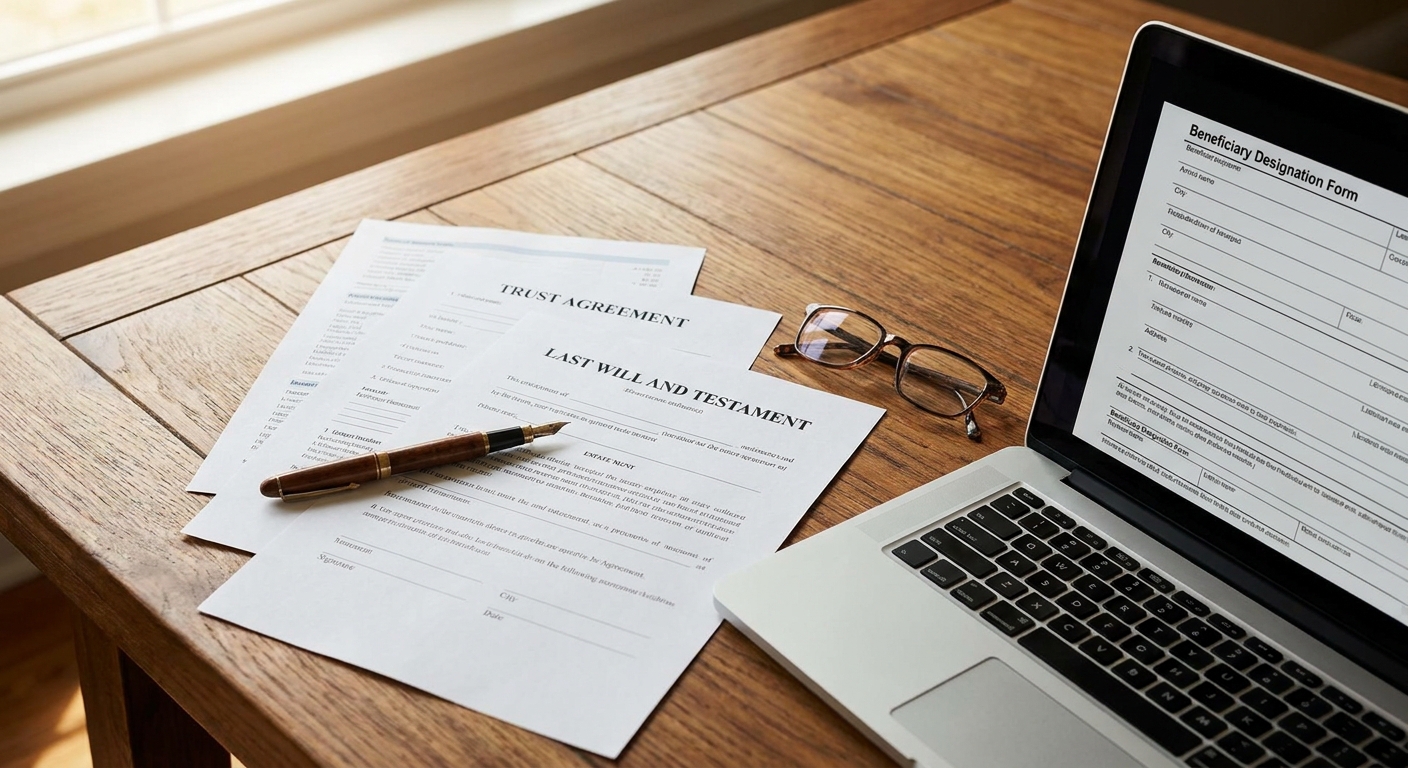
Get your court order. The probate court will issue an order specifying the bond amount you need. This document is essential — you'll need it when applying for the bond.
Choose a surety bond provider or MGA. You can work with a local insurance agent or use an online platform. Several carriers and Managing General Agents (MGAs) specialize in probate bonds and offer fast, self-service quoting.
Complete the application. You'll provide personal information, details about the estate, and the bond amount required by the court. Many platforms now let you do this entirely online.
Get approved and pay your premium. With good credit, approval can be nearly instant on self-quoting platforms. You'll pay your annual premium and receive your bond.
File the bond with the court. Submit the original bond to the probate court. Once accepted, you're officially authorized to act on behalf of the estate.
Top Carriers and MGAs for Probate Bonds
Several carriers and MGAs make the probate bond process simple. Here are some of the best options available to agents and consumers:
Bond Exchange Top Pick
Bond Exchange is one of the most agent-friendly platforms in the surety space. They offer a self-quoting portal where agents can quickly price and issue probate bonds without waiting for underwriter approval on standard risks. Their platform supports a wide range of bond types — including estate, executor, administrator, and guardianship bonds — and the quoting process is straightforward and fast. If you're an agent looking to streamline your surety workflow, Bond Exchange is an excellent choice.
Get started with Bond Exchange here — use our referral link to sign up and start quoting probate bonds yourself.
Propeller Top Pick
Propeller is another standout MGA that has made surety bonds accessible and easy to manage. Their self-quoting technology lets agents and agencies quote, bind, and issue probate bonds in minutes. Propeller is known for competitive rates, a clean digital experience, and responsive support when you need help on trickier cases. They're a great option when you need a probate bond turned around quickly.
Quote a probate bond through Propeller here — get a quote in minutes using their self-service portal.
Other Notable Carriers
Beyond Bond Exchange and Propeller, several other carriers and MGAs write probate bonds and offer competitive options:
- CNA Surety — One of the largest surety writers in the country with a broad appetite for fiduciary bonds.
- Travelers — A well-known carrier with a strong surety division and wide state availability.
- Liberty Mutual Surety — Offers competitive rates on estate and fiduciary bonds through appointed agents.
- Suretec — A specialty surety company that's agent-focused and writes a variety of court bonds.

Why Self-Quoting Platforms Are a Game Changer
Traditionally, getting a probate bond meant calling an agent, filling out paper applications, and waiting days for a quote. Today, platforms like Bond Exchange and Propeller have transformed this process with self-quoting technology.
Here's why that matters:
- Speed — Get a quote in minutes, not days. Many standard probate bonds can be quoted, bound, and issued in a single session.
- Convenience — No phone calls or paper forms. Everything happens online, 24/7.
- Transparency — You see the rate and premium immediately, so there are no surprises.
- Agent efficiency — For insurance agents, self-quoting portals mean you can serve clients faster and handle more volume without adding overhead.
Key Takeaways
- A probate bond is a court-required surety bond that protects estate beneficiaries from mismanagement or fraud.
- The cost is typically 0.5% to 1% of the bond amount annually, based on credit and estate size.
- Bond Exchange and Propeller are top MGAs with self-quoting portals that make the process fast and easy.
- Other carriers like CNA Surety, Travelers, Liberty Mutual, and Suretec also write probate bonds.
- The process is simple: get your court order, choose a provider, apply, get approved, and file with the court.
Frequently Asked Questions
What is the difference between a probate bond and a surety bond?
A probate bond is a specific type of surety bond. While "surety bond" is the broad category, a probate bond specifically guarantees that a court-appointed fiduciary will manage an estate properly. Other surety bonds cover things like construction contracts, license requirements, and commercial obligations.
How long does it take to get a probate bond?
With self-quoting platforms like Bond Exchange or Propeller, you can often get a probate bond issued the same day — sometimes in as little as 15 to 30 minutes for straightforward cases. More complex estates or applicants with credit issues may take a few days for underwriting review.
Can I get a probate bond with bad credit?
Yes, but it may cost more. Most surety companies use credit scores as a key factor in pricing. If your credit is below average, you may pay a higher premium rate — sometimes 2% to 5% of the bond amount instead of the standard 0.5% to 1%. Some carriers specialize in non-standard or high-risk applicants.
How much does a $50,000 probate bond cost?
A $50,000 probate bond typically costs between $250 and $500 per year for someone with good credit. The exact price depends on the carrier, your credit history, and the state where the bond is filed.
Do I need a probate bond if the will waives it?
Usually not, but there are exceptions. Even when a will includes bond-waiver language, a beneficiary or interested party can petition the court to require one. The judge has the final say on whether a bond is needed.
What happens if I don't get a probate bond when the court requires one?
If the court orders a probate bond and you fail to obtain one, you will not be authorized to act on behalf of the estate. The court may appoint a different administrator or delay the probate process until the bond requirement is satisfied.
Can an insurance agent help me get a probate bond?
Absolutely. Many insurance agents have access to surety bond markets through MGAs like Bond Exchange and Propeller. An agent can guide you through the application, help you find the best rate, and handle the paperwork on your behalf.